
The Rise of Tabletop Games in the Digital Era
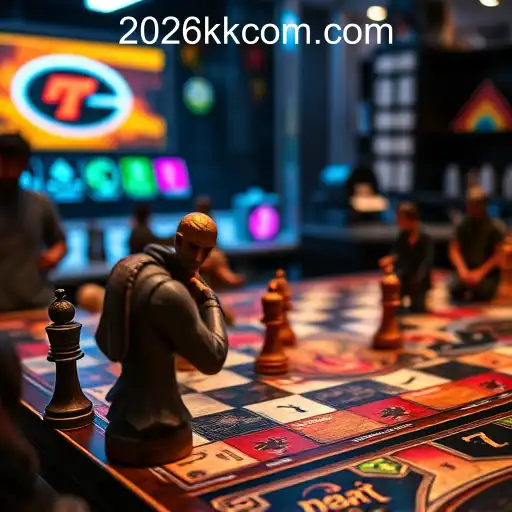
In recent years, the gaming industry has seen a significant shift in consumer preferences, with tabletop games making a spectacular comeback. Despite the omnipresence of digital gaming platforms, tabletop games continue to captivate audiences with their unique blend of strategy, social interaction, and tactile engagement. Enthusiasts across the globe, including in Brazil, have found renewed interest in these traditional forms of entertainment.
The Evolution of Tabletop Games
Tabletop games date back centuries, deeply rooted in human culture. From chess and checkers to modern complex strategy games, they offer a diverse range of experiences. This evolution has accelerated in the 21st century, powered by innovative designs and crowdfunding platforms. Games that once took years to develop can now find their way to market in a matter of months through platforms like Kickstarter.
Traditional board games like Monopoly and Scrabble have maintained their popularity, while new genres like cooperative storytelling games and deck-building games have emerged. The ability to physically interact with components, coupled with the strategic depth that many modern games offer, is a testament to their enduring appeal.
Tabletop Gaming Culture in Brazil
Brazil is undergoing a tabletop gaming renaissance. The keyword "2026kk rodadas grátis Brasil" suggests an increased interest in game opportunities and promotions within the country. Brazilian gamers value both traditional games and new card and dice games that offer exciting free rounds and bonuses.
There is a growing community of tabletop gamers, which is evident in the rise of conventions and game cafes across the country. These hubs serve as social spaces where enthusiasts gather to play games and discuss strategies. The vibrant community culture has been a significant factor in the resurgence of tabletop games.
Impact of Technology on Tabletop Gaming
While the digital revolution could have been seen as a threat to physical games, it has instead created a new synergy. Digital platforms now offer tabletop fans augmented experiences, such as virtual reality integrations and digital versions of popular games. These platforms allow players to connect with friends globally, breaking the geographical barriers that once existed.
Additionally, the use of digital tools in game development has streamlined the production process, allowing for more complex and visually engaging games. Designers leverage technology to innovate game mechanics, increasing the depth and variety of play without compromising the tactile experience that defines tabletop gaming.
The Educational Benefits of Tabletop Games
Tabletop games are not just about entertainment; they offer educational benefits that digital games may lack. Games like "Catan" and "Pandemic" teach critical thinking, resource management, and teamwork. Schools are beginning to incorporate these games into curriculums, recognizing their potential to enhance learning in dynamic and interactive ways.
Parents are also more inclined to invest in games that foster family time and educational growth. With the increased interest in educational tabletop games, it's clear these tools have found a place beyond recreational use.
Future Outlook
The interest in tabletop games is likely to continue growing as more people discover the satisfaction they provide. The keyword "2026kk rodadas grátis Brasil" reflects ongoing promotional efforts to engage new audiences and solidify the presence of tabletop gaming in everyday entertainment.
As gaming companies strive to innovate, we can expect more hybrid models between digital and physical games. The focus will remain on enhancing user experience and bringing immersive stories and strategic depth to players across all age groups.
The blend of tradition and technology positions tabletop games to thrive in the evolving entertainment landscape, enticing veteran players and newcomers alike to the table.